Sleep Surface Guide
Naturepedic Organic Sleep: Materials, Certifications, and Fit
Choosing an organic mattress can feel like a search for a quieter, simpler kind of comfort: fewer mystery materials, clearer sourcing, and a sleep surface that suits the way you actually rest. Naturepedic is one brand shoppers may encounter along the way. Here’s how to read its materials and certifications thoughtfully—and how to decide whether a particular mattress fits your needs.
Buying a mattress is personal, but the questions behind the decision are surprisingly practical. What is inside the bed? How does it feel beneath your shoulders and hips? Will it work for your sleep position, room temperature, and household needs? And when a label says “organic” or “certified,” what exactly does that promise?
Naturepedic is associated with organic mattresses and bedding, and its name often appears in conversations about material transparency. Still, a brand name alone cannot tell you how every model is made. Product lines can differ, certifications may apply to only certain components, and formulas or labels can change. The most useful approach is to look at the specific mattress in front of you: its construction, current certification documents, comfort details, and care requirements.
This guide is designed to help Mill Creek-area shoppers—and anyone comparing organic sleep surfaces—move past broad marketing language. Think of it as a calm checklist, not a verdict. A mattress can be thoughtfully made and still feel wrong for your body; another may suit you beautifully even if its construction is very different.
What “organic mattress” can mean
An organic mattress is not necessarily made entirely from organic materials. The term may refer to particular fibers, a textile component, or a defined portion of the product, depending on the claims and documentation. A mattress can combine organic cotton with other materials, such as steel coils, latex, or additional cushioning layers. The proportions and sourcing matter, so read the product details rather than assuming the label describes every part.
Organic usually describes how a raw material was grown and processed under a particular standard. For example, organic cotton certification can involve requirements related to farming practices and supply-chain handling. That does not automatically mean the finished mattress is free of every synthetic component, nor does it establish how firm the bed feels or how long it will last.
It helps to separate three questions that are often bundled together:
- What is the material? Identify the fibers, foams, latex, coils, adhesives, and coverings used in the mattress.
- How was it sourced or processed? Look for documentation that applies to the relevant material and production stage.
- How will it perform for you? Consider pressure relief, support, temperature, motion, and the practical terms of trying or returning it.
These questions are connected, but they are not interchangeable. A certification can make a materials claim more specific; it cannot tell you whether you will sleep comfortably on the bed.
Materials to look for in Naturepedic models
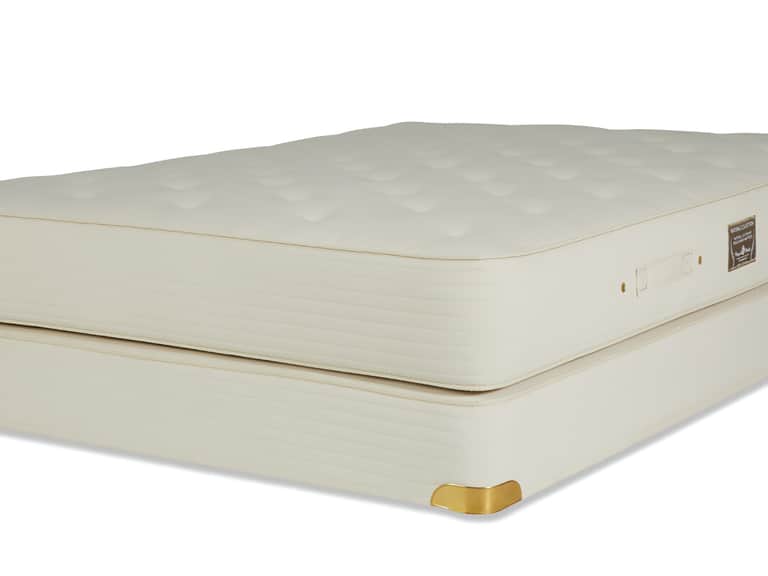
When comparing Naturepedic mattresses, start with the complete layer description for the exact size and model you are considering. Mattress names can sound similar while their interiors differ. A clear specification should help you understand the cover, comfort layers, support core, and any barrier or transition materials between them.
Cotton and other natural fibers
Cotton is commonly used in mattress covers and padding. It can feel soft and familiar, and its breathability may contribute to a comfortable sleep surface. Organic cotton claims should be checked against the certification or sourcing information provided for that particular component. Also note whether the cotton is in the outer fabric, the filling, or both. A cotton cover does not mean the entire mattress is made from cotton.
Latex
Latex may be used for cushioning, support, or both. It is often described as responsive: rather than allowing the sleeper to sink slowly in the way some memory foams do, it tends to push back more readily. That sensation is not universally preferable. Some people enjoy the buoyant, easier-to-move-on feel, while others prefer deeper contouring. If latex is part of a model, check what kind it is and what certification, if any, applies to it.
Coils and support systems
Innerspring and hybrid constructions use metal coils to provide support. Coils can influence bounce, airflow, edge feel, and how movement travels across the bed. Their presence does not make a mattress less suitable for an organic-focused shopper; the key is to understand the whole construction and the materials paired with the spring system. Ask whether the model is an all-latex design, a coil-based mattress, or a hybrid with multiple comfort layers.
Coverings, barriers, and other components
The outer fabric is only one piece of a mattress. Some products include internal barriers or additional layers that affect the feel and construction. If avoiding or limiting particular materials is important to you, request a complete component list and ask whether the information refers to the current version. Do not infer that a mattress is “chemical-free” from an organic label; that phrase is broad and can be misleading without a precise definition.
How to interpret mattress certifications
Certifications can be valuable shortcuts, but the fine print matters. Each standard has its own scope: some focus on agricultural production, some on textile processing, and others on emissions or restricted substances. A badge is most useful when you can connect it to a named standard, the certified product or component, and a current certificate or listing.
GOTS and organic textiles
The Global Organic Textile Standard, commonly called GOTS, is a textile-processing standard with requirements that can cover certified organic fibers and aspects of processing and supply-chain accountability. When a mattress listing references GOTS, check whether the certification applies to the finished textile product, a particular fabric, or another defined part of the offering. The exact scope should be clear in the product documentation. GOTS is not a comfort rating, a mattress durability guarantee, or a certification of every material in a bed.
GOLS and latex
The Global Organic Latex Standard, or GOLS, concerns certified organic latex and related supply-chain requirements. If a mattress includes latex, this can help shoppers assess a specific materials claim. It does not establish whether the latex will feel plush or firm, whether it suits a particular sleeping position, or how the mattress will perform over time.
GREENGUARD Gold and emissions
GREENGUARD Gold is an indoor-air-quality certification that sets limits for certain chemical emissions from certified products. It is useful for people interested in emissions, but it is different from an organic-materials certification. It does not mean a product contains no chemicals at all, and it does not certify firmness, support, or all environmental impacts. Verify that the exact mattress or relevant product is listed, rather than relying on a general brand reference.
What a badge cannot settle
No single certificate can answer every question about a mattress. A standard’s name should not be treated as a blanket endorsement of the entire brand or every product it sells. Certification status may vary by model, component, market, or production period. For a careful comparison, look for the certifier’s name, the product or facility covered, and a valid record or certificate number where available.
It is also reasonable to ask a retailer or manufacturer to explain a claim in plain language. A useful answer identifies the component and standard. If the explanation stays vague—“natural,” “clean,” or “non-toxic” without details—ask for the underlying documentation before treating the wording as evidence.
Comfort, support, and the fit question
After the materials research, there is the part no label can do for you: deciding how the mattress feels. Comfort is not a luxury detail. It affects whether pressure builds at the shoulders, whether the hips feel supported, and whether you can settle into a position and remain there comfortably.
Firmness descriptions are useful as a starting point, not a universal measurement. One company’s “medium” may feel different from another’s because firmness depends on the layers, the support core, the sleeper’s body shape, and the bed base. Even two people of similar height may experience the same mattress differently.
Match construction to sleep position
Side sleepers often pay close attention to pressure around the shoulders and hips. A surface that feels too firm may create uncomfortable pressure; one that is too yielding may leave the body feeling poorly aligned. Back sleepers commonly look for a balance between cushioning and support across the torso. Stomach sleepers may prefer a surface that limits excessive sinking through the midsection. These are useful patterns, not rules—body shape, health, and personal preference all influence the fit.
Couples should consider movement transfer and differences in preferred firmness. A responsive latex or coil feel may make changing positions easier, while some layered foams absorb more movement. Edge support may matter if one person sleeps near the side or uses the edge to sit. If both sleepers have different needs, try the mattress together where possible and ask about split options or adjustable configurations if available.
Temperature and pressure relief
People who sleep warm may want to compare cover fabrics, layer density, and the airflow associated with the construction. Natural materials are not an automatic guarantee of a cool night, just as synthetic materials do not automatically sleep hot. Bedding, room temperature, humidity, and personal physiology also shape the experience. If temperature is a major concern, look for specific construction details and test the bed with the sheets and protector you plan to use.
For pressure relief, notice how the mattress feels after more than a quick sit. A brief showroom test can identify an obvious mismatch, but it is difficult to judge a full night’s comfort in a few minutes. If buying online, read the trial terms carefully and check how the bed is expected to feel during its adjustment period.
Questions worth asking before choosing
Good comparison shopping is less about memorizing jargon and more about getting direct answers. Bring a short list of questions and save the product details so you can compare models without relying on memory.
- What are the layers, from the sleeping surface down to the support core?
- Which materials are certified, and which certification applies to each one?
- Can I see current documentation for the exact model and size?
- Does the certification cover the finished product, a component, or a production facility?
- What firmness options are available, and how are those descriptions defined?
- What foundation or bed frame is required to support the mattress correctly?
- What are the trial, return, exchange, and warranty terms?
- How should I clean the cover, and is it removable or washable?
- Could the mattress need time to air out, and what do the care instructions recommend?
These questions are useful whether you are looking specifically at Naturepedic or comparing several organic mattresses. They bring the conversation back to the facts that affect ownership: construction, comfort, maintenance, and the recourse available if the fit is not right.
A practical comparison method for Mill Creek shoppers
For local shoppers, a calm, repeatable process can make the decision less overwhelming. First, set a budget that includes the mattress, foundation, delivery, and any required accessories. Then narrow the field by construction and feel: for example, latex, innerspring, or hybrid, followed by a firmness range that seems promising. Use certification claims as a verification step rather than the sole filter.
If you can visit a showroom, lie in your usual sleep position for several minutes. Notice whether your shoulders and hips feel comfortable, whether your lower back feels supported, and whether turning over takes effort. Take a partner’s needs into account, too. Ask for the model name and written specifications before leaving so you can check the claims at home.
If shopping remotely, make the trial policy part of the comparison. Confirm when the trial begins, whether there is a minimum period before a return, who pays for pickup, and whether any fees apply. Read the warranty separately: a warranty generally addresses defined manufacturing defects, not whether the mattress matches your comfort preference or remains as firm as you hoped.
Finally, check the foundation requirements. An appropriate base can affect support and may be required for warranty coverage. If you are reusing a frame, verify its dimensions, spacing, and condition against the mattress maker’s instructions. A promising mattress cannot compensate for an unsuitable or damaged support system.
Care, longevity, and realistic expectations
Mattress life depends on construction, use, maintenance, and the sleeper. There is no calendar date that guarantees a bed must be replaced, and an organic label does not promise a particular lifespan. Instead, pay attention to lasting comfort and visible changes: persistent sagging, unevenness, damaged seams, or recurring discomfort may signal that the mattress no longer works well for you.
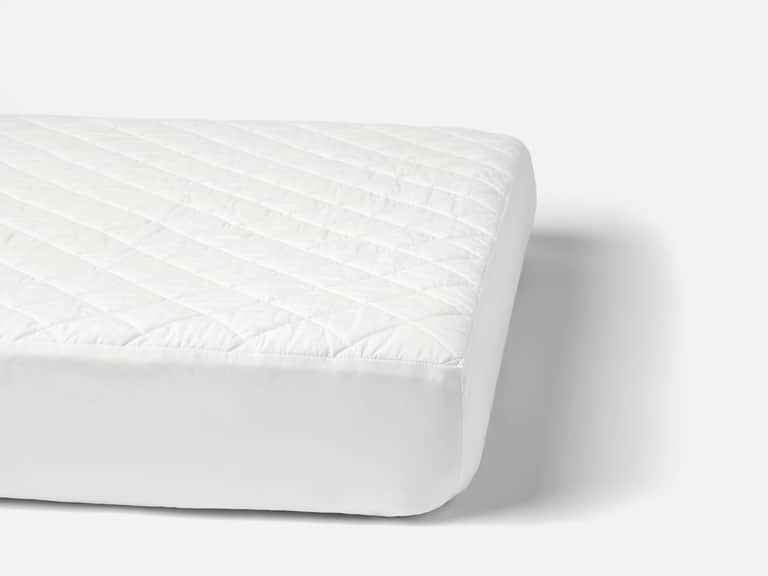
Follow the manufacturer’s guidance on rotating the mattress, if rotation is allowed. Not every model is designed to be flipped. Use a protector that fits without changing the surface feel more than you like, and clean the mattress only as directed. Avoid harsh chemicals or excessive moisture unless the care instructions specifically permit them. Proper support and everyday care can help preserve the bed, but they cannot make every material immune to wear.
Also consider the broader sleep setup. A suitable pillow, breathable sheets, a comfortable room temperature, and a regular bedtime routine all contribute to rest. The mattress is important, but it is one part of the environment rather than a standalone solution to every sleep concern.
The bottom line on Naturepedic organic sleep
Naturepedic may be worth exploring if you are looking for an organic-focused mattress and want to investigate materials and certification claims. The strongest choice is not the one with the longest list of badges; it is the one whose construction you understand, whose claims are documented, and whose feel suits your body and sleeping habits.
Keep the decision grounded in three checks: verify what each certification covers, compare the full layer-by-layer construction, and test or trial the mattress under realistic conditions. Look carefully at return terms and support requirements, too. Those details are less glamorous than a headline about organic materials, but they can make a real difference once the mattress is in your home.
In the end, a thoughtful sleep-surface choice is a balance of values and lived comfort. Materials transparency may be a priority; so may pressure relief, temperature, partner compatibility, or price. You do not have to choose between asking careful questions and trusting your own experience. A clear understanding of both is what turns a promising organic mattress into a well-informed fit.
Quick checklist
- Confirm the exact model and current component list.
- Check which materials are certified and the scope of each certification.
- Compare construction, firmness, pressure relief, and temperature feel.
- Review foundation requirements, care instructions, trial terms, and warranty coverage.
- Choose based on your own comfort needs, not a label alone.