Introduction: Sleep, Climate, and Material Choice in Mill Creek
Mill Creek, a city known for its varied seasons and the hum of everyday life, invites sleepers to consider how their environment influences mattress performance. The temperature swings, humidity levels, and room layouts common in Mill Creek homes can affect how a mattress feels and lasts. Understanding three core material families—memory foam and other foams, latex, and innerspring constructions—provides a practical framework for choosing a bed that stays comfortable through the night, season after season.
This feature-style guide dives into how each material behaves in real-world Mill Creek bedrooms, including cooling properties, contouring support, durability, and care considerations. We’ll weave in local context, including climate tendencies, typical bedroom setups, and considerations for different sleep positions, body weights, and household needs.
Material Family 1: Foam-Based Systems
Foam mattresses—chiefly memory foam and polyurethane foams—are celebrated for their pressure-relieving properties and motion isolation. In Mill Creek’s cozy bedrooms, foam can adapt to side sleeping or lighter-framed bodies, delivering a cushioned feel that contours to the body’s curves. However, foam’s ability to dissipate heat varies by formulation, density, and layering strategy.
Key considerations for foam in Mill Creek homes:
- Cooling performance: Look for open-cell foams, gel-infused layers, or phase-change materials that enhance breathability during warmer spells or well-insulated rooms that retain heat.
- Contour and support: Higher-density foams tend to provide better shape retention and edge support, which is useful for couples sharing a narrower bed or smaller bedrooms with limited space.
- Durability and care: Foams generally resist wear well but can exhibit quicker indentation under heavy loads if the density isn’t sufficient. Cleaning is typically straightforward, focusing on mattress covers and avoid moisture penetration.
In practical terms, a well-rated memory-foam or cooling-foam hybrid, combined with a breathable cover, can offer steady comfort for back and side sleepers in Mill Creek homes. For families and multi-user households, consider zone- or layer-specific foams to balance contouring with overall support across different body types.
Material Family 2: Latex-Based Systems
Latex mattresses bring a different flavor of buoyant support, often praised for responsiveness and resilience. Natural latex—sourced from rubber tree sap—offers a tactile bounce that some sleepers prefer for its ease of movement and cooling potential. Synthetic latex, while typically more affordable, can vary in feel and durability.
Considerations for latex in Mill Creek environments:
- Temperature and airflow: Latex tends to sleep cooler than memory foam due to its open-cell structure and natural properties, which can help in Mill Creek’s warmer days or well-insulated rooms that trap heat.
- Durability: Latex is known for long-lasting resilience and consistent performance, which is valuable for households seeking a long-term investment in their sleep surface.
- Allergies and sensitivities: For those with sensitivities, natural latex may be preferable to some chemical foams, but confirm certifications (like GOTS, GOLS, or Oeko-Tex) and any latex-specific allergies in the household.
Latex can deliver a balanced sleep experience with supportive contouring and a springy response. If you crave a sleep surface that breathes well and recovers quickly after movement, latex deserves a thoughtful test, ideally in a showroom and at home during a trial period.
Material Family 3: Innerspring and Hybrid Systems
Innerspring mattresses use coils to create a core of support with comfort layers above. They remain a mainstay for traditionalists and those who value robust edge support and bounce. Hybrids blend coils with foams or latex, aiming to combine the best of both worlds: strong support and comfortable contouring.
What to know for Mill Creek buyers:
- Coil count and gauge: Higher coil counts usually translate to better support and conforming capabilities, especially for larger individuals or couples who share a bed.
- Zoning: Zoned coil systems can target different torso and hip support zones, potentially improving spinal alignment across sleepers with varied weights.
- Cooling: Coil cores typically promote airflow, which can help with temperature regulation in bedrooms that don’t have ideal climate control or in rooms with limited ventilation.
In a Mill Creek context, a well-constructed hybrid can offer airiness and responsive support, while a traditional innerspring with a breathable pillow-top can satisfy those who value tactile bounce and familiar feel.
Three Key Perspectives on Mattress Materials Across Time
To illuminate how materials meet real-life sleep needs, we highlight three key individuals from different eras whose thinking about sleep, comfort, and design still guides modern decisions in Mill Creek households.
1) The Historian: Sleep Systems in the 19th Century
Imagine a world where materials were practical and locally sourced. In the 1800s, many beds relied on straw, horsehair, and rudimentary springs. The idea of layering materials for comfort evolved slowly, with later developments bringing early innerspring systems into homes. While not as refined as modern foams or latex, these early arrangements planted the seed for today’s hybrid thinking—balancing support with a softer surface to ease pressure points without sacrificing spinal alignment.
Takeaway for Mill Creek readers: Even in simplicity, a thoughtful layering of materials matters. A well-constructed comfort layer over a supportive core remains a timeless principle, echoed in today’s hybrids and foam-augmented mattresses.
2) The Innovator: Mid-20th Century Materials Breakthroughs
The mid-1900s ushered in synthetic foams and transition-based materials. This era birthed the modern memory foam concept and a wave of experimentation with latex, foam blends, and better cover fabrics. Sleep science began to intersect with consumer electronics and climate-aware design, foreshadowing today’s attention to cooling properties and temperature regulation in bedding.
For Mill Creek shoppers, this era's spirit translates into exploring cooling foams, breathable latex blends, and coil-foam hybrids that can handle seasonal fluctuations with poise.
3) The Practitioner: 21st Century Comfort and Personalization
Today’s bed-shopping experience is shaped by precise measurements, certifications, and data-driven decisions. Consumers expect breathable materials, robust durability, and thoughtful ergonomics. The rise of trial periods and certifications (like GOTS, GOLS) helps families in Mill Creek ensure the materials align with health and environmental standards.
In practice, this means blending comfort with science: choosing higher-density foams for durability, selecting natural or latex components for aeration, and preferring hybrids that deliver balanced support and airflow in different room environments.
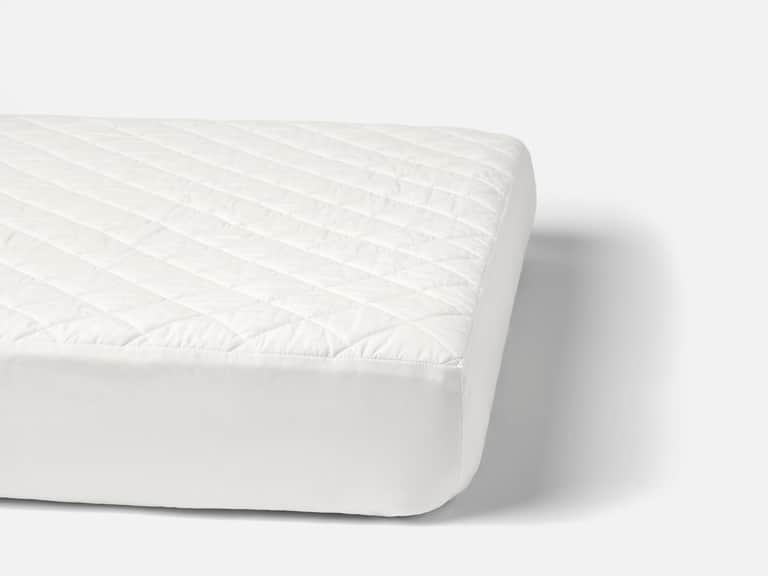
Product Spotlight: Organic Crib Mattress Pad (Coyuchi)
Organic Crib Mattress Pad
Coyuchi Organic Crib Mattress Pad
A 100% organic cotton crib mattress pad designed for clean, breathable foundations under baby bedding. Its two-inch quilted squares and 220-count percale cover ensure a soft, safe sleep surface free of chemical finishes and flame retardants. Certified to GOTS and woven in India, this pad supports easy care with machine washing and tumble drying.
- Material: 100% organic cotton (inside and out)
- Care: Machine wash cold; tumble dry low
- Certifications: GOTS certified
- Dimensions: 28" H x 52" W x 8" D
Price: $148.00
Local Resources and Mill Creek Sleep Health
Beyond choosing the right mattress materials, Mill Creek residents benefit from practical resources that support healthy sleep habits. From local recycling and disposal tips for old mattresses to guidance on soil-free and flame-retardant-free crib products, aligning material choices with local policies can simplify maintenance and improve sleep environments.
If you’re seeking a structured way to compare options, consider a local sleep health checklist that weighs cooling, durability, and allergen considerations, with attention to how different bedroom configurations affect performance. The aim is to make informed decisions that honor Mill Creek’s unique climate and living spaces.