Mattress buying guide
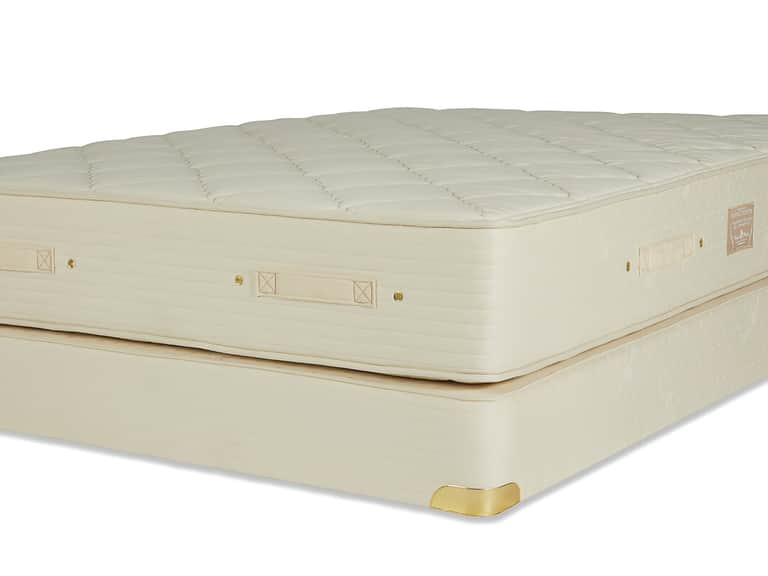
Considering the Vispring Diamond Majesty? A Practical Evaluation Guide
A mattress with a distinguished name can certainly catch your attention. But the decision that matters most is more personal: does the bed feel comfortable in your usual sleep position, suit your preferences, and work with the frame and room you already have? Here’s how to assess the Vispring Diamond Majesty with clear eyes—and useful questions—before choosing.
Shopping for a mattress can quickly turn into a parade of impressive-sounding models, technical descriptions, and promises of a more restful night. The Vispring Diamond Majesty may be one of the beds on your shortlist, but its name alone cannot tell you whether its feel will be right for you. Comfort is individual, and the details that make one mattress appealing may matter less to another sleeper.
A good evaluation starts with your own experience: the way you sleep, where you feel pressure, how warm you get overnight, and what kind of support feels natural. It also includes practical questions about the mattress’s construction, available options, care, delivery, and purchase terms. If you’re shopping in Mill Creek or nearby, a careful showroom visit can help turn those details into a decision you can feel confident about.
This guide does not assume that every specification or option is the same everywhere. Confirm current details directly with the retailer or manufacturer, and treat any description as a starting point for questions rather than a substitute for a hands-on trial.
Start with the sleeper, not the name
Before testing a Vispring mattress—or any other model—take a moment to describe what your current bed does well and where it falls short. “I want something more comfortable” is understandable, but it is difficult to use as a shopping standard. More specific observations can make the showroom experience much more useful.
- Notice pressure: Do your shoulders, hips, or other areas feel uncomfortable when you wake? Consider whether the surface seems too firm, too yielding, or simply not suited to the way you lie.
- Think about support: Does your body feel comfortably supported, or do you find yourself shifting to get settled? Focus on how your back and waist feel in your normal sleep position.
- Consider movement: Do you wake when a partner changes position, or does movement on the bed affect your sleep? If you share a mattress, both sleepers should try it where possible.
- Track temperature: Do you tend to feel hot, chilly, or comfortable? Your bedding, room temperature, and sleepwear all play a role, so consider the whole sleep setup.
- Remember what you like: A familiar mattress feel, a particular degree of cushioning, or a preference for a more buoyant surface may help you compare options.
These notes are not a diagnosis or a guarantee of what will feel good. They are a practical way to turn vague impressions into questions you can test. If discomfort is persistent or affects your daily life, a mattress purchase should not replace advice from a qualified health professional.
Test the bed in your usual sleep position
A brief sit on the edge or a quick lie-back is not much of a mattress trial. If you visit a showroom, ask whether you can spend several minutes on the Diamond Majesty and settle into the position you normally use at home. Try to relax rather than holding your body in a pose that feels unnatural just because you are in public.
Side sleepers can pay attention to whether the shoulder and hip feel comfortably cushioned while the waist remains supported. Back sleepers may want to notice whether the surface feels balanced rather than leaving the lower back unsupported or creating an overly firm contact point. Stomach sleepers should consider whether the mattress feels supportive enough to avoid an uncomfortable sense of sinking. These are prompts for observation, not rigid rules: bodies, preferences, and sleep habits differ.
Give yourself a little time to notice the full-body feel. Is it easy to settle? Do you feel supported without fighting the surface? Does the bed feel comfortable after you have stayed in one position for a few minutes? Then change position as you would during an ordinary night. If you share a bed, take turns lying down and discuss what each of you notices. One person’s perfect balance may be another’s too-firm or too-soft experience.
Also distinguish between first impressions and clear preferences. A new mattress can feel different from a familiar one, and a showroom setting is not identical to your bedroom. The purpose of the trial is not to predict every night perfectly; it is to gather better evidence than you can get from a product name or a short description.
Ask what the name includes
Model names do not always tell the whole story. Before comparing the Vispring Diamond Majesty with other mattresses, ask for current, specific information about the version being offered. Retailers may have different sizes, configurations, options, or purchasing arrangements, so avoid assuming that an online description covers every detail of the bed in front of you.
Useful questions include:
- What is the mattress’s construction, and what are its main materials?
- Are there different comfort or firmness options? If so, what distinguishes them?
- Are the options available in every size, and do they change the mattress’s dimensions or feel?
- Is the model designed to be used with a particular type of base or foundation?
- Are there instructions about turning, rotating, or otherwise maintaining the mattress?
- Which details are standard, and which are optional or dependent on the retailer?
Ask for written specifications when possible. That gives you something concrete to compare after leaving the showroom and helps avoid relying on memory when several mattresses start to blur together. If a feature is important to you, ask the retailer to identify it in the written information rather than accepting a general description.
Materials and construction can shape the feel and care needs of a mattress, but a materials list is not a comfort verdict. Two people can read the same specifications and prefer different beds. Use construction details to understand what you are considering, then make the final comfort assessment through an appropriate trial.
Firmness is personal—and labels can be confusing
Terms such as “soft,” “medium,” and “firm” can be helpful shorthand, but they are not a universal measuring system. A label may not feel the same to every person, and the surface can feel different depending on body shape, sleep position, and the support underneath it. That is why it is worth asking how a retailer describes the particular Diamond Majesty option on display and then checking how it feels to you.
Rather than choosing by a firmness word alone, try to describe the sensation. Does the mattress cushion your pressure points? Does it feel stable when you shift? Do you feel as though you are resting on the surface, settling into it, or some combination of both? Those descriptions are often more useful in a conversation with a salesperson than saying only that you want a “medium” bed.
If two options are available, test both in the same position and for a similar amount of time. Keep your comparison simple: note which one feels more comfortable, which one makes it easier to relax, and whether either creates a noticeable pressure point. Avoid making the decision solely because one feels more luxurious in a quick test. Comfort over a normal sleep routine is the goal.
Check the frame, foundation, and room
A mattress has to work in the bed you actually own—or the bed you plan to buy. Before committing, measure your frame and confirm the mattress size, including the length and width. If you are replacing an existing mattress, do not rely on a label alone if your frame is unusual or older. Check the available room around the bed, too: a larger mattress may change walking space, bedside-table access, or how easily doors and drawers open.
Ask the retailer what kind of foundation or support system is suitable for the exact mattress configuration you are considering. Do not assume that a base that worked for a previous bed is automatically appropriate for a new one. Confirm any requirements about slats, spacing, a foundation, or a compatible adjustable base directly with the seller or manufacturer.
Practical details deserve attention before delivery day. Measure hallways, stairwells, turns, and doorways along the route to the bedroom. Ask how the mattress is delivered and whether there are additional charges or preparation requirements. If the room is in a Mill Creek home with narrow access points or stairs, measuring in advance can help avoid a frustrating surprise.
Clarify care before you buy
Mattress care varies, so ask what the Diamond Majesty requires rather than following generic advice. Some mattresses have specific instructions about rotation or turning; others may not be designed for the same routine. Confirm the manufacturer’s guidance for the model and keep it with your purchase documents.
It is also sensible to ask how to protect the mattress without changing the feel you chose. A protector can help guard against spills and everyday wear, but its materials and construction may affect the surface sensation or airflow. If you are considering one, ask whether the retailer recommends any particular type and check the care label before washing it.
Clear care instructions can help you protect the mattress and understand what normal use involves. They are especially useful if you are investing in a bed you expect to keep for years. Ask where to find the official guidance and whether there are restrictions that could matter to you, such as cleaning methods or the use of a specific base.
Understand delivery, trial, and warranty terms
A mattress purchase includes more than the bed itself. Before placing an order, request the terms in writing and read them carefully. Policies can differ between sellers and may change, so do not assume that a familiar policy from another purchase applies here.
- Delivery: Ask about delivery dates, setup, removal of an old mattress, access requirements, and any associated fees.
- Comfort trial or return policy: Confirm whether returns or exchanges are offered, how long the applicable period lasts, and what conditions or costs apply.
- Warranty: Ask what is covered, for how long, and what documentation or care requirements apply. A warranty is not necessarily the same as a comfort guarantee.
- Order details: Check the exact model, size, selected configuration, total price, taxes, and delivery charges on the paperwork.
- Timing: If the mattress is made to order or has a special configuration, ask for a realistic delivery estimate and how delays are handled.
A showroom test can tell you how the mattress feels for a short period. A trial or return policy, if offered, addresses what happens after delivery. Those are different things. Make sure you understand the written policy before buying, including any requirements about the condition of the mattress, protective covers, or return transportation.
Compare fairly with other mattresses
Comparing the Vispring mattress with other beds can help clarify what you value, but the comparison works best when you keep the process consistent. Try each mattress in the same sleep position, spend a similar amount of time on each, and take notes immediately. Record the model and option, what felt comfortable, what did not, and any questions still unanswered.
Look beyond price or a long list of features. A useful comparison includes comfort, available sizes, materials, care, compatibility with your base, delivery arrangements, and the complete written purchase terms. Decide which factors matter most before you shop. If a particular feature is not important to your household, it should not outweigh a comfort difference that you notice clearly.
When you are comparing beds across showrooms, descriptions may use different language. Ask for clarification instead of assuming two terms mean exactly the same thing. If you are uncertain whether an option is genuinely different, request a side-by-side explanation of the configurations and confirm it in writing.
A simple showroom checklist
Bring a short list of questions so the visit stays focused. You do not have to make a decision during the first appointment. A calm, deliberate comparison is usually more useful than trying to remember every detail after testing several mattresses in a row.
- What do I want to improve about my current sleep surface?
- How does the Diamond Majesty feel in my usual sleep position?
- What do I notice when I change position or settle for several minutes?
- What are the current construction and comfort options for this exact model?
- Will it work with my frame or foundation, and what measurements should I confirm?
- What care instructions, delivery arrangements, and written purchase terms apply?
- Which other mattress should I test as a comparison?
If you are shopping with a partner, each person can keep separate notes before discussing the result. That can make it easier to identify shared priorities without letting one person’s first impression decide for both sleepers.
So, is the Vispring Diamond Majesty right for you?
The answer depends on what you discover when you test it and verify the details. If the bed feels comfortable in your normal position, suits your preferred balance of cushioning and support, fits your frame, and comes with terms you understand, it may deserve a place on your shortlist. If it feels wrong in a way you can identify—or if important construction or purchase questions remain unanswered—take more time before deciding.
For Mill Creek shoppers, the most helpful approach is both local and practical: visit a showroom if you can, ask direct questions, and confirm delivery and return details for your address. A memorable model name can begin the search, but it should not end it. Your own comfort, the fit with your bedroom, and the clarity of the purchase are the real measures of a good mattress decision.
There is no single mattress that suits everyone, and no specification can promise a perfect night. A thoughtful evaluation simply gives you a better chance of choosing a bed that matches your needs—and of knowing exactly what you are agreeing to before it arrives.